Wednesday, September 9, 2015

Exploring the Ancient Past in Athens!


There is more to do in this vast world of ours than can be accomplished in one lifetime. Luckily for you Legendary Journeys has a special talent when it comes to finding amazing locations all around the world to send you to. From the high tech to the ancient, we run the gamut of amazing experiences which can be found around the world. Our focus today is going to be more on the ancient side of things. Civilizations rise and they fall, but the impression they leave behind is what allows the citizens who breathed life into their culture to live on forever. Perhaps no civilization has left a more impressive resume behind than the Greeks, and today we stop into Athens, Greece to delve into some of that rich history! 


The Acropolis of Athens is an ancient citadel which can be found atop the high, rocky outcrop above the city of Athens and has within it the remains of many ancient buildings of fantastic architectural and historic merit. It is so famous and renowned that it is often referred to just as the Acropolis, which roughly translates to highest or topmost city in English. There is substantial evidence to suggest that it was lived in as far back as seven thousand years ago, but it was Pericles in the fifth century who undertook the construction of many of the most important and well regarded landmarks including the Propylaia, the temple of Athena Nike, and the world famous Parthenon. The Propylaia is a monumental gateway that has inspired many such designs around the world, most famously the Brandenburg Gate of Berlin. The temple of Athena Nike, used for worship of the Goddess of Victory, was used often during the Peloponnesian War against the Spartans as a place or worship in the belief that she would smite their enemies and grant them boons. The Parthenon was a temple dedicated to the goddess Athena, the patron goddess of the city of Athens. The building was constructed between the years 447 and 432 BC and is widely regarded as the most important surviving building of Classical Greece architecture, considered the peak of the Doric order. The site is a UNESCO World Heritage Site and sees millions of people gather there each year, delighting many who come to see a glimpse of Greek history which is not matched anywhere else!


The Temple of Hephaestus is a very well preserved Greek temple. Unlike many of the buildings described above, it remains largely intact despite the fact that it has been standing for nearly 2500 years. Hephaestus was the patron god of metal working and craftsmanship and many workshops and metal-working stations could be found in the vicinity of the temple, as the workers believed their patron gave their works mythical properties and allowed them to work all the harder. For many years it was believed this temple was for Theseus, an Athenian hero, whose remains were thought to be laid to rest here. That theory was refuted after inscriptions within the temple spoke at length about Hephaestus, however.


There are few cities in the world which can match Athens' prestigious and historic landmarks. Walking through the Acropolis is like stepping into a time machine with all of the splendor that is on display of a civilization passed on by time. Legendary Journeys is immensely proud to offer a wide variety of trips that will take you to this amazing city. For all of the information on these great trips, click here. 

Tuesday, September 8, 2015

From Prisoners to the Devout, There is a Place for Everyone in Dublin!


Legendary Journeys is immensely proud to offer trips all around the globe that show the world's splendor. There is something to be said about going to exotic locations to see cultures and history that would otherwise elude someone. That is, to us, the heart of traveling: the never ending exploration of what both humanity and nature have constructed around us. From the world's tallest buildings to the most beautiful sunsets, there is so much to enjoy in so many different places! This blog series is about finding the most dazzling experiences you can enjoy and giving you a taste of what you can expect out of some amazing locales all over the world! Today we step into the beautiful and historically rich city of Dublin, Ireland! 


Kilmainham Gaol is a former prison that is now a museum run by the Office of Public Works. The prison was built in 1796 and was often referred to as the "New Gaol" as it was intended to replace the old gaol that was little more than an offensive dungeon. The conditions in the prison were notably horrible. Men, women, and children were not segregated in any way. After years of misery the prison was shut down in 1924, and no thought was put into preserving it as the prison was seen as a sign of suffering and oppression. It took many years before there was any interest in restoring the run down prison, but eventually a groundswell of support gathered. Thirteen years of work later the restoration was completed and the prison reopened to the public in 1971. Since that time more and more people have noted the importance of the prison as it relates to the Irish struggle for independence. These days travelers marvel at how well run the museum is as well as the wealth of knowledge that the guides provide in the tours of the grounds. At 4 Euros the cost is reasonable and along with all of the rich history that can be found here this is a can't miss stop in Dublin! 


Saint Patrick's Cathedral, Ard-Eaglais Naomh Pádraig in Irish, founded in 1191, is the biggest church in Ireland and one of two cathedrals in the city, with the other being Christ Church. It was constructed with the early English Gothic style in mind, and its most prominent feature is the 140 foot spire that is easily seen in the picture above. An exception to the norm, the Cathedral is not a seat of a bishop due to there being a more senior cathedral in the city already. The fact that there are two such buildings within the same city was a matter of much controversy for over a century until a six point agreement was signed which outlined the relationship of the two holy sites. These days it is the location for numerous public national ceremonies, including Ireland's Remembrance Day. Visitors from around the world note that this is one of the most beautiful places of worship in the world, and indicate that it is a must see whenever someone finds their way into the city. 


Dublin is an interesting city with a diverse background. It is telling that two of the most interesting places to visit within the city couldn't be further apart in their legacies. One was a prison where horrors were carried out while the other a celebrated and beloved place of worship. When one attempts to understand Irish culture it is important to reconcile these different aspects of their history and why both are very important. Legendary Journeys offers many trips that take you into this city, and you can view them all simply by clicking here.


Thursday, September 3, 2015

Historic Landmarks in Munich, Germany!


Legendary Journeys is immensely proud to offer trips all around the globe that show the world's splendor. There is something to be said about going to exotic locations to see cultures and history that would otherwise elude someone. That is, to us, the heart of traveling: the never ending exploration of what both humanity and nature have constructed around us. From the world's tallest buildings to the most beautiful sunsets, there is so much to enjoy in so many different places! This blog series is about finding the most dazzling experiences you can enjoy and giving you a taste of what you can expect out of some amazing locales all over the world! Today we talk about Munich, Germany!


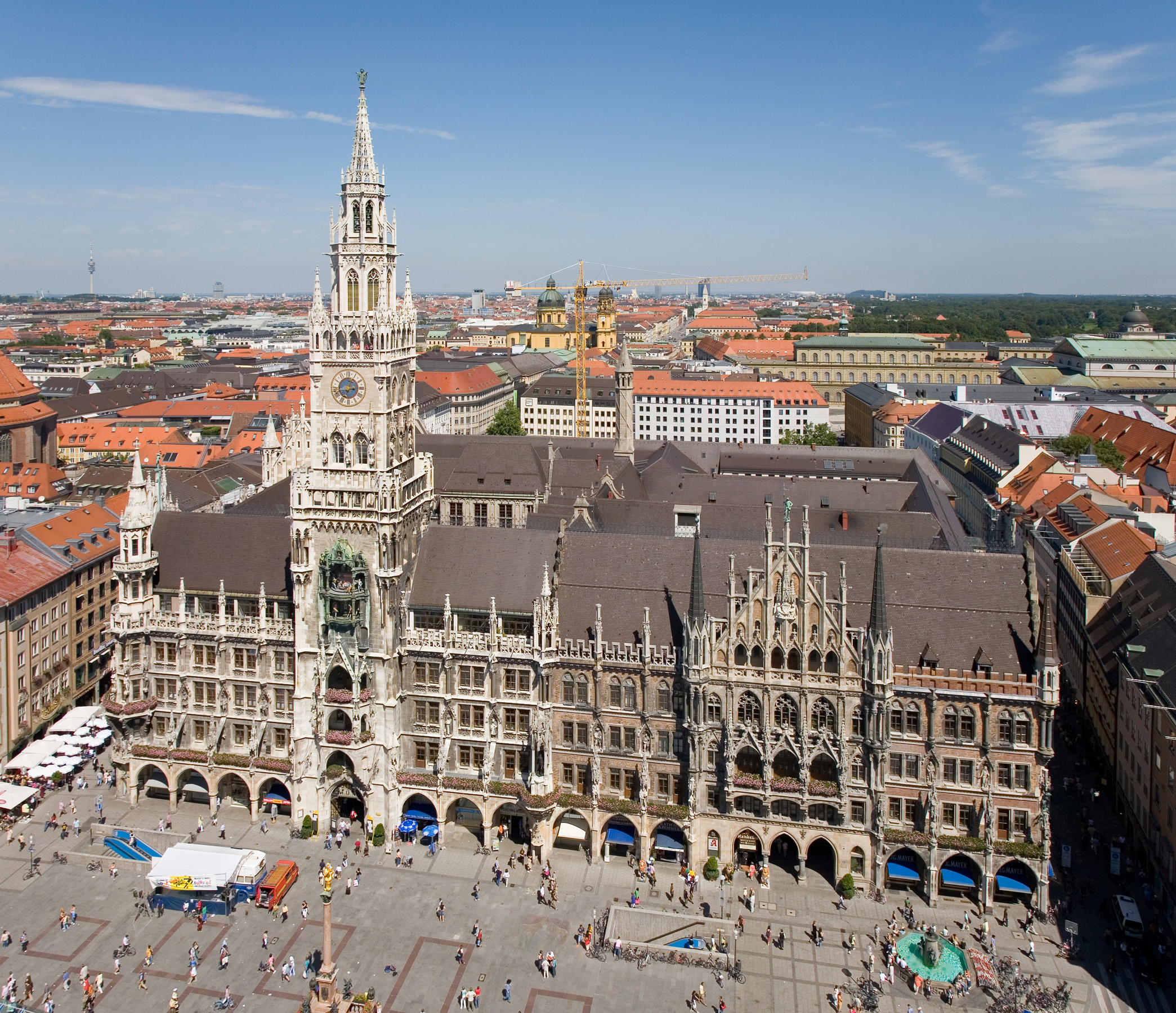
Marienplatz, or Mary's Square, is a central square in the city center of Munich. Having been the city's central square in terms of activity and popularity since 1158, it has seen a lot of events over the years. During the middle ages, for instance, markets and tournaments were held there. The square gets its name from the Marian column Mariensäule which is one of many monuments of its like built in honor of the Virgin Mary,  The Mariensäule was built in 1638 in celebration of the end of Swedish occupation that went on during the Thirty Years' War. These days the plaza is almost always bustling with activity and travelers from all over the world agree that this is an excellent starting point into Munich! 

Asamkirche, otherwise known as Asam Church, is a church that was constructed from 1733 to 1746 by the brothers Cosmas Damian Asam and Egid Quirin Asam for their own personal use. After push back from the citizens of the city they were eventually persuaded to open the church to the public, although still under protest. The architecture is done in the German Late Baroque style, and the building is considered to be an important example of the style. The inside of the building, shown above, is beautifully ornate with the upper levels of the church seeming to glow at almost all times. The church is one of the most visited buildings in all of Munich, attracting both worshipers as well as those with a keen interest in architecture. 


The Schloss Nymphenburg, otherwise referred to as the Castle of the Nymph, is a Baroque palace of much acclaim. The main use the palace for the palace over the years has been to be the the summer residence for former rulers of Bavaria of the House of Wittelsbach. Ferdinand Maria and Henriette Adelaide of Savoy had the building commissioned in 1664 to commemorate the birth of their son, Maximilian, and was completed in 1675. These days while it is still in use it is also open to the public and receives a lot of attention year around. Ceiling fresco like the one shown above are just one of the many popular artistic spots within the palace. The garden, which surrounds the palace and is quite expansive, is heavily commented on for its beauty as well. 


There's a lot to appreciate about the city of Munich. It is an important historical center in Germany that has a lot to offer the modern tourist as well. There are many excellent sites to visit in the city, so don't think this will be the last you hear of this great city here! Legendary Journeys is proud of all of the trips we offer that take you through Munich, and for the details on those great excursions you can click here! 


Monday, August 31, 2015

Beautiful sights to see in Rio de Janeiro!


Legendary Journeys is immensely proud to offer trips all around the globe that show the world's splendor. There is something to be said about going to exotic locations to see cultures and history that would otherwise elude someone. That is, to us, the heart of traveling: the never ending exploration of what both humanity and nature have constructed around us. From the world's tallest buildings to the most beautiful sunsets, there is so much to enjoy in so many different places! This blog series is about finding some of the most dazzling experiences you can enjoy and giving you a taste of what you can expect out of some of the most amazing locales in the world! Our first stop on our journey together takes us to Rio de Janeiro, Brazil!


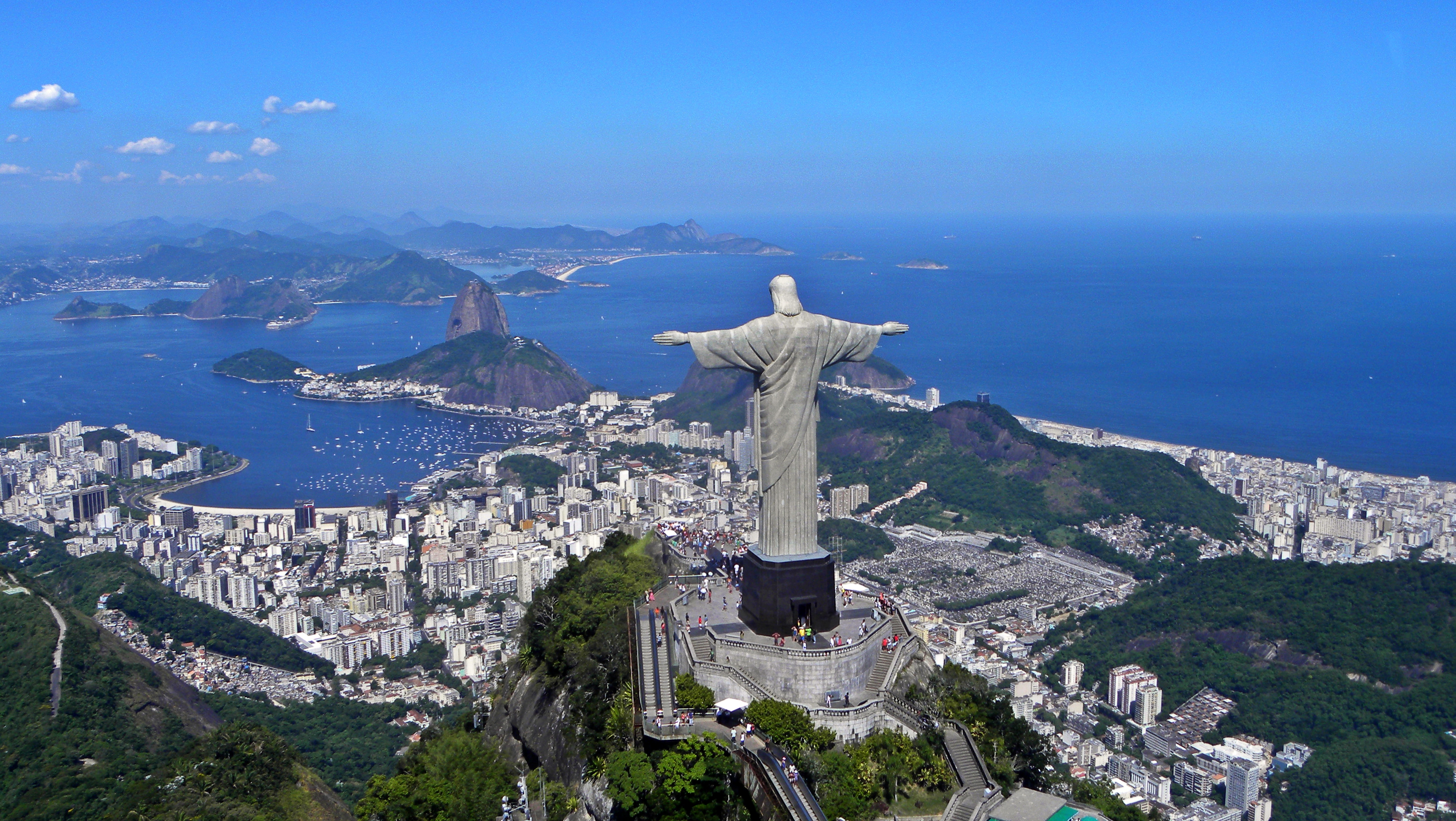
Corcovado Mountain  is a mountain in the middle of Rio de Janeiro. It stands an impressive 710-meters, or 2,329 ft, and its name means 'Hunchback' in Portuguese. The mountain is the city's most famous landmark by a good margin and it is visited by millions of people each year. The view from the mountaintop is said to be absolutely breathtaking as it provides an excellent view of the expansive city below. Aside from the amazing view however the most amazing attraction for the mountain is the 125 ft statue of Jesus atop its peak, named Cristo Redentor or "Christ the Redeemer" in English. The statue was created by French sculptor Paul Landowski and built by Brazilian engineer Heitor da Silva Costa. The pose of Jesus with his arms wide open was chosen purposefully for the connotations of peace that such a gesture offered. The monument was opened in 1931 and has become one of the most famous symbols in the entire world for Jesus' teachings of love and acceptance. For the Statue's 75th anniversary a chapel was consecrated beneath it so that baptisms and weddings could happen on the site. Christ the Redeemer was named one of the 7 Modern Wonders of the World in 2007.


Mosteiro de São Bento, or St. Benedict Monastery, is a church on St. Benedict's Hill in downtown Rio de Janeiro. It is a great example of Brazilian colonial architecture of its time and also serves as the home for the Archdiocese of the city. The Monastery was founded by Benedictine monks in 1590 and still remains one of the most important religious buildings in the entire country of Brazil! The architecture of the building invokes feelings from the Baroque period as well as the Rococo period. The inside of the church is covered in gold leaf gilding, which makes anyone's first visit inside of the building a positively stunning display of grandeur. The church also features seven side chapels dedicated to various Catholic brotherhoods. The building, known for its design and its rich history, is a place any traveler should see at least once in their lifetime!


Rio de Janeiro is a beautiful city with a lot to offer anyone who wishes to visit it. These two important historical landmarks are just the tip of the proverbial iceberg when it comes to experiencing everything this city has to offer! Legendary Journeys can take you there as part of our amazing Florida to Amazon & Rio Carnival trip! For all of the exciting details on this 48-day trip, go here.


Monday, August 10, 2015

11 Insanely Beautiful Small Towns From Around the World!


Sure, we love big, bustling cities. But there's something to be said for small towns where life moves slower, traditions are everywhere and the people stop to say hello. From North Africa to New Zealand, these are some of the most charming little places in the whole entire world.

Sidi Bou Said, Tunisia

This bohemian North African village is a popular vacation spot for wealthy Tunisians. The landscape resembles the Greek Islands with its whitewashed buildings and bright blue trims.


Bled, Slovenia.


No, that's not Cinderella's castle... it's a real place situated in the Slovenian Alps near Austria. The iconic Bled Castle, which dates from the year 1011, now functions as a museum, restaurant and wine cellar, and looks out onto a glacial lake.

Cua Van, Vietnam. 


Located six hours from Hanoi, this 700-person floating fishing village in Ha Long Bay is stunning, thanks to teal water, colorful raft houses, limestone hills and winding streets.

Franschhoek, South Africa.


The Napa Valley of South Africa, Franschoek lies 75 kilometers from Cape Town. The Dutch-influenced vineyard town is a booming producer of Syrahs and Pinotages.


Anneccy, France. 


Whatever, Paris. This town in southeastern France is way more romantic than getting jostled by tourists at the foot of the Eiffel Tower.

Guilin, China.

Best known for its dramatic setting on the Li River, the town of Guilin dates back to the Qin dynasty (that dates back to 221 BC, in case you didn't know). In addition to just looking beautiful, Guilin hosts a handful of annual traditions, like the March Song, a reed-pipe and bull fighting festival.

Reine, Norway.

You may want to move to Scandinavia after seeing this adorable Norwegian town. Stay in a quaint cottage and spend the days fishing, kayaking and hiking; at night, you may even catch a Northern Lights show.

Vernazza, Italy.


With Crayola-colored houses and jutting cliffs, this Northern Italian coastal gem is just begging for the Instagram treatment.

Paros, Greece. 


This lesser-known Greek island is situated between Mykonos and Santorini. You'll find white marble and crystal clear water as far as the eye can see.

Queenstown, New Zealand.

This resort town on New Zealand's South Island is slow-paced, scenic and cosmopolitan all at once. During the winter it becomes a popular ski destination.

Salvador, Brazil.


Located on Brazil's northern coast, Salvador is a center of Afro-Brazilian culture. Vibrant buildings, winding cobblestone streets and large, open squares meet crystal-blue coastlines.

To see exciting destinations like this around the world visit our website at LJ.travel! 

This article was originally posted on the Huffington Post. 


Thursday, August 6, 2015

6 Small-But-Perfect Caribbean Islands You Need to See

Want to find an island somewhere between ruggedly undiscovered and overrun by tourists? Not into roughing it in a tent but still want to be far, far away from the maddening crowds?

We rounded up six perfectly sized Caribbean islands, where tourists are relatively few but there's still plenty to do, from UNESCO sites to luxury resorts to sugar-soft beaches.

Curacao


Reasons we love Curacao:
1. Willemstad: The UNESCO-recognized town center of Willemstad is filled with fascinating colonial sights, excellent museums and good dining options
2. The reefs: Although nearby Bonaire is famous for its diving, Curacao's undersea opportunities are just as good, with plenty of reefs ringing the island

3. The resorts: From top chain resorts like Marriott and Hilton to independent, funky boutiques, Curacao has a surprising number of accommodations at almost every budget
Guadeloupe

Reasons we love Guadeloupe:
1. Guadeloupe National Park: Capped by the gorgeous Le Soufriere volcano, this national park is known for its hiking, backpacking and birdwatching
2. The food: With undeniably French influences mixing with Caribbean flavors and spices, capital Pointe-a-Pitre's dining scene is a highlight
3. The diving: Head underwater around Pigeon Island and Reserve Cousteau (named for the explorer who deemed Guadeloupe one of the best dive sites in the world)

Martinique

Reasons we love Martinique:
1. The beaches: Martinique's many picturesque plages, especially those around the island's southern coast, offer clear blue water for miles
2. The rum: A number of tourist-friendly distilleries with tours and tasting rooms showcase Martinique's signature rum (made directly from cane, not molasses)
3. The shopping: From French boutiques to covered markets brimming with local produce and spices, Martinique's shopping opportunities are endless
Tobago

Reasons we love Tobago:
1. Scarborough: Tobago's only city (if you can call it that) is a crowded little port town with shopping, dining and a cool public market
2. The water: Tobago's untouched nature makes it a haven for divers and snorkelers, especially around Pirate's Bay
3. The villas: With few major resorts, renting a villa is a top option on Tobago and many housing options are high-end, with glistening infinity pools and plenty of amenities
Grenada


Reasons we love Grenada:
1. St. George's: This postcard-perfect town on Grenada is walkable and tourist-friendly, filled with handsome old buildings and fun cafes
2. Grand Anse: These two miles of powder-soft white sand are consistently rated among the world's best for beachy fun
3. The natural sights: Acres of rainforest, a crater lake, sheer cliffs and even hot springs all add to the unique topography on this adventurous island

Vieques

1. The resorts: Home to a top-notch W Retreat & Spa, Vieques' accommodations are surprisingly upscale for its discrete location
2. The sea life: Snorkel around Vieques and you'll see tons of sea turtles, manatees, rays, nurse sharks and even dolphins, while at night, the bioluminescent bay glows
3. The cuisine: Puerto Rican favorites marry well with the freshest local seafood (think Baja-style fish tacos) at a number of casual beachside bars
Excited about the Caribbean after reading up on some of the exotic islands it holds? You can book a trip with us today! Don't waste another moment before taking a trip of a lifetime! For the details, go here. 
This article originally appeared on Hopper. 


Tuesday, August 4, 2015

10 Of The World's Weirdest Tourist Attractions!

An homage to Stonehenge made of classic cars. A museum devoted to instant noodles. A gnome reserve. We track down some of the world's wackiest tourist attractions.
1. China's Upside-Down House
If you've ever felt like dancing on the ceiling, head to the China Folk Painting Village in Fengjing Ancient Town, just south of Shanghai. Once inside, you'll have to look up to see the furniture; everything from a kitchen table set for dinner to a child's bedroom is arranged in a way that appears to defy gravity.


2. Thailand's Hell GardenThe sign that greets visitors entering this sculpture garden pretty much says it all: "Welcome to Hell." The Wang Saen Suk's "hell garden" depicts, in garish detail, the punishments in store for those who transgress in life. If the statues are to be believed--with impaling, transfiguration, and disemboweling all represented--the tortures for sinners are pretty gruesome, so you might want to bank a few good deeds before you visit.


3. California's Life-Size DinosaursWith just two life-size residents, the World's Biggest Dinosaurs don't exactly rival Jurassic Park. But if you ever wanted a T. Rex's-eye-view of California, climb up into Mr. Rex--all four stories--and gaze through his teeth to the world beyond. Mr. Rex's counterpart is Ms. Dinny, a 150-foot-long, 150-ton model of an Apatosaurus. Claude K. Bell designed the pair, and since his death in 1988, the World's Biggest Dinosaurs have been taken over by a religious group who also set up a Creationist museum at the site.


4. England's Gnome ReserveThere's no place like the Gnome Reserve: Fans of the cheeky lawn ornaments can travel here to see more than 1,000 gnomes and pixies in their natural outdoor habitat. (There are also more than 250 labeled species of wildflowers.) The Reserve hosts an on-site museum with a collection of antique statues. The dress code? Pointed hats and fishing rods are loaned out to visitors for free, "so you don't embarrass the gnomes."


5. Japan's Ramen MuseumThose inexpensive instant noodles got you through those college all-nighters--surely they're worthy of their own museum, right? The Momofuku Ando Instant Ramen Museum pays tribute to the Cup Noodles founder and his creations. Visitors can see a reproduction of the shack where Momofuku Ando first invented Chicken Ramen, explore an exhibition about instant noodles all over the world, and, of course, visit a tasting room of different Nissin products, giving visitors a sampling of flavors that might not be sold in their region.


6. Australia's Big LobsterAustralia has its fair share of giant kitschy monuments--including an oversized park bench that holds eight people and a huge tennis racket honoring player Evonne Goolagong Cawley. But none have as much personality as Larry, the Big Lobster. (How big? About 56 feet.) Larry was built in 1979 to promote the region's seafood, wine, cheese, and timber industries. At its base is a tourist complex, complete with restaurant and gift shop.


7. Iceland's Phallus MuseumIt's "members only" here: The Icelandic Phallological Museum hosts a collection of more than 200 phallic specimens representing almost every mammal in the country. Simply put, if you ever wanted to see a whale penis in a jar, this is the place to do it. The museum is currently the subject of a documentary, The Final Member, about two (brave?) souls competing to be the first human specimen.


8. Nebraska's CarhengeNo one knows who built Stonehenge, or why, but we do know who built Carhenge (artist Jim Reinders and his family) and why (as a tribute to his father, and because it's cool). The Stonehenge replica uses 38 classic cars, all painted gray and arranged in the same proportions as the original. Since the dedication of Carhenge--on the summer solstice in 1987--other works of car art have been added to the site, including Reinders' Ford Seasons, inspired by Vivaldi's Four Seasons.


9. South Africa's Big PineappleThere's no better place to look out over the Eastern Cape's pineapple industry than from the top-floor observation deck of this nearly 55-foot-high fiberglass pineapple. After checking out the 360-degree view, visitors can watch a film about the area's agriculture, or head to the ground floor to buy pineapple jam and chutney.


10. England's Petrifying WellLegend has it that Mother Shipton was a witch with the power of prophecy, predicting many events, including the Great Fire of London in 1666. At Mother Shipton's Cave, you'll discover her stony dwellings as well as the Petrifying Well, also said to have magical properties. Early on, some claimed the waters had healing powers; others feared that touching the cascade would turn you into a rock. Today, science may have demystified the petrifaction process, but that doesn't make the cave any less fun. The cheeky Brits have tied up everyday objects in the stream, waiting for them to turn to stone.


To visit great places like this around the world Legendary Journeys is your travel destination! Book a trip today at lj.travel!


This article was originally published on the Huffington Post.